

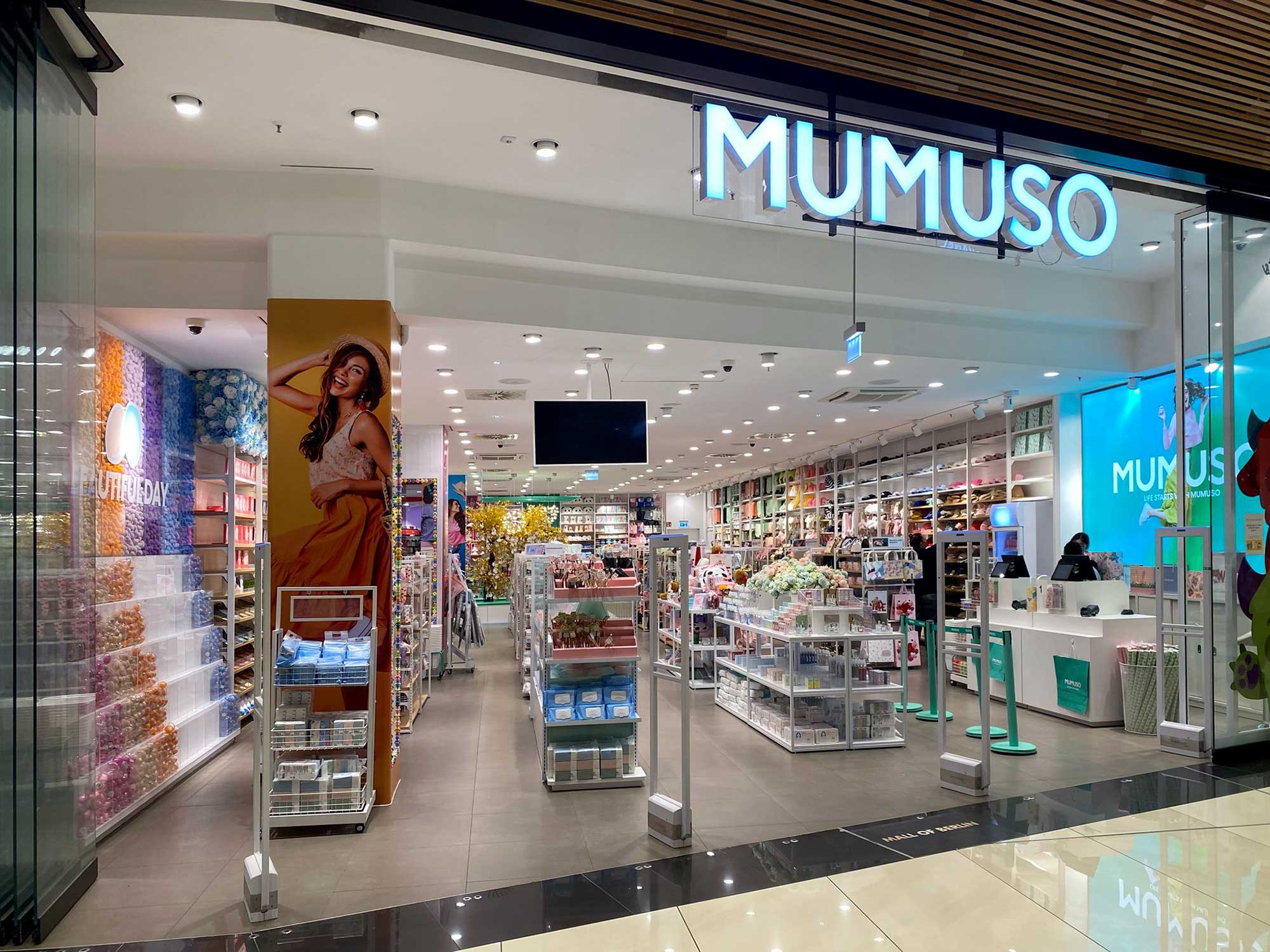
So before we get into the main topic, let’s see what’s inside the history of Mumuso.
Mumuso was founded in China 2014, inspired by the rising popularity of Korean design and lifestyle trends. But then why so many people (me included) assume it’s straight out of Seoul. The truth? It doesn’t matter much, because the branding works – the K-culture vibe is what sells. The brand quickly spread worldwide and entered India around 2018, opening stores in metro cities and later in tier-2 towns.
Today we’ll find Mumuso outlets buzzing with your shoppers hunting for skincare, accessories, and home decor – all wrapped in that irresistibly “cute” aesthetic.

From K-pop playlist to K-dramas and glass-skin beauty trends, Korean culture has sneaked into our lives in a ways we never imagined.
And it’s not just on our screens, but slowly we can see the proof in our shopping bags. As we walk into any Mumuso store, we will see how K-culture is shaping us, with cute plushies, bottles, pastel makeup kits etc.
But when it comes to price, than comparing Indian local market, the prices are higher in Mumuso. But then why we Indians still buy these stuffs? I think it’s because – it’s just not a product but it’s a vibe, and a cute slice of K-life.

And when festivals like Durga Puja arrives, the sales increases. Brand like Mumuso knows very well how to turn warm leads into a hot one. But here’s the million dollar question – we’re busy buying cute lamps and pastel color stuffs, so is this how international brands are slowly overtaking Indian shopping culture?
Mumuso has mastered the art of blending cuteness with premium touch, me a fan myself I completely fell into their marketing funnel. Their store design worked like a perfect lead magnet, the cute packaging was the conversion trigger. But before I knew it, I was part of Mumuso’s loyalty loop. Classic case of consumer behavior 101 ! I believe I can be a walking case study for any MBA student – straight out of “Consumer Behavior Chapter 1.”
But still, the thought lingers: are we choosing vibes over value ? Shouldn’t we focus on local over global ? In the end we can’t deny the fact that Korea has beautifully influenced the entire Indian market. From this we can see how K-culture + clever branding wins.

Leave a Reply